
Senior Functional Solution Consultant | TMMi Accredited Assessor | TMMi Test Process Improver | Chair of the Curaçao Testing Qualifications Board (CTQB)
Software has become an essential part of almost every organization. As digital services continue to grow and systems become increasingly interconnected, the importance of reliable, secure, and well-tested software continues to increase.
Since 30 June 2025, financial institutions supervised by the Central Bank of Curaçao and Sint Maarten are required to demonstrate structured , risk-based, and independently validated software testing . Most organizations know this. Far fewer can actually demonstrate it.
Throughout my career, I have seen that organizations often share the same ambition: delivering high-quality software while managing risks effectively. However, many organizations face a common challenge. They understand that their testing processes can be improved, but transforming that insight into sustainable improvements requires structure, knowledge, and practical guidance.
This is where a structured approach to test process improvement can make a meaningful difference.
From Understanding Maturity to Creating Improvement
I recently completed the international TMMi Test Process Improver certification, the credential that focuses on what happens after an assessment. Most organizations get assessed and receive a report. The harder question is what to do next. That is where this certification is specifically designed to help.
As a TMMi Accredited Assessor , I help organizations understand their current level of test process maturity by assessing their practices against the internationally recognized TMMi® (Test Maturity Model integration) framework. This provides organizations with an objective view of their strengths and improvement opportunities.
The role of a TMMi Test Process Improver focuses on the next step: supporting organizations in translating assessment results into practical improvements that fit their specific situation, priorities, and business objectives.
For me, these two perspectives complement each other. Understanding where an organization stands is important, but helping organizations move forward is where real value is created.
Test Process Improvement Is About Creating Value
When discussing process improvement, the focus is sometimes placed on additional procedures or documentation. In reality, effective improvement is about creating better ways of working.
In practice, organizations with structured testing processes find defects before they reach production, not after. They spend less time firefighting and more time delivering. And when a regulator asks for evidence of test maturity, they have it.
Successful improvement does not always require large transformation programs. In many cases, sustainable progress is achieved through practical steps, clear priorities, and continuous learning.
Why Structured Testing Is Becoming More Important
Organizations are facing increasing expectations around software quality, security, governance, and compliance. This is particularly visible in industries where reliable digital services and protection of customer information are critical.
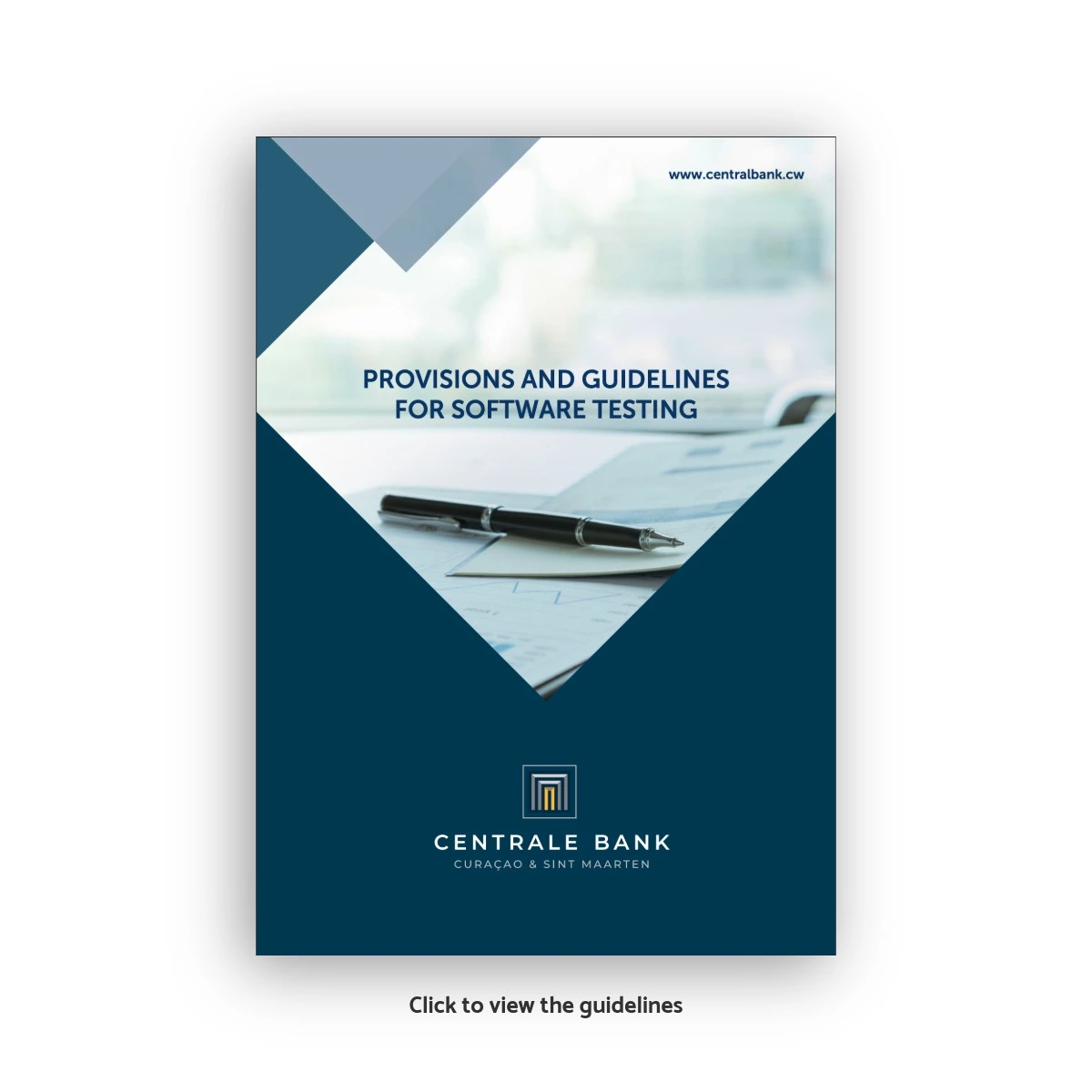
For financial institutions under the supervision of the Central Bank of Curaçao and Sint Maarten (CBCS), software testing has become an important regulatory topic. The CBCS Provisions and Guidelines for Software Testing , effective since 30 June 2025, establish requirements for testing business-critical systems. These guidelines emphasize structured, risk-based, and independently validated testing and require organizations to work towards TMMi Level 2 or higher.
The guidelines also reinforce an important principle that applies beyond financial institutions: software quality needs to be actively managed. Early identification of defects, vulnerabilities, and risks contributes to more reliable systems and better protection of customer transactions and personal data.
In our experience, the most common misconception is that passing an assessment is the goal. It is not. The assessment reveals where you stand. What determines your compliance posture, and your operational resilience, is what you do with that information. Many organizations complete an assessment, receive their results, and then struggle to translate findings into changes that actually stick. That gap between knowing and improving is where most organizations lose time, budget and regulatory goodwill.
Continuous Improvement as a Mindset
One of the strengths of the TMMi framework is that it recognizes that every organization has its own starting point. Improving test maturity is not about achieving perfection overnight; it is about understanding the current situation and taking realistic steps forward.
For me, this additional qualification represents an opportunity to further support organizations, not only by identifying improvement opportunities but also by helping teams implement changes that create lasting value.
About My Journey
I have been working at Ictual for more than 29 years, supporting organizations across the Dutch Caribbean in software development, testing, and quality improvement.
As Chair of the Curaçao Testing Qualifications Board (CTQB), the official ISTQB Member Board for Curaçao, Aruba, Bonaire, and St. Maarten, I have a direct view of where regional organizations stand on testing maturity, and where the gaps most commonly appear.
Over the years, I have obtained several professional certifications. These experiences have strengthened my belief that continuous learning and sharing knowledge are essential to improving software quality.
Is Your Organization Ready?
For financial institutions supervised by CBCS, software testing is no longer only a best practice . Organizations are required to demonstrate that business-critical systems are tested in a structured, risk-based, and independently validated manner.
This applies beyond financial institutions too. Organizations in banking, government, telecom, and utilities across the Caribbean increasingly depend on reliable software and controlled development processes, and customers are paying closer attention.
If you want to understand where your organization stands, prepare for regulatory expectations, or build a practical roadmap toward TMMi Level 2 or beyond, Ictual’s TMMi Quick Scan gives you an independent assessment, a gap analysis, and a concrete improvement roadmap within five business days. Let’s talk about where you stand.
Send me the Quick Scan TMMi Flyer or Schedule an Appointment
Need an extra assistance?
Contact one of our expert in TMMi Quick Scan